E-commerce accounted for 16.9 percent of total U.S. retail sales in the first quarter of 2026, according to the U.S. Census Bureau, and every one of those orders was picked, packed, and shipped from an industrial building. That single fact explains much of why industrial real estate has become one of the most closely watched segments of commercial real estate, and why investing in industrial real estate now sits at the center of so many portfolio conversations.
This guide covers what industrial real estate is, the forces driving demand, how the asset class generates returns, and what investors should weigh before committing capital, with a focus on private real estate.
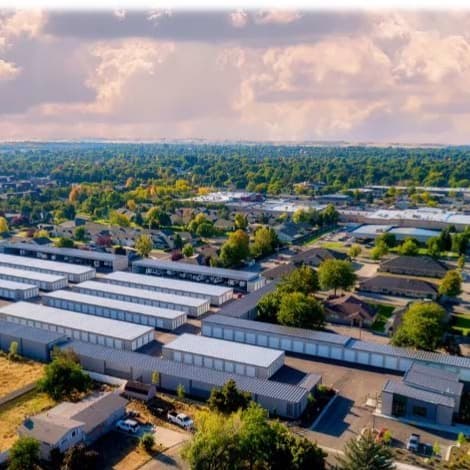
Industrial real estate refers to properties used for the production, storage, and movement of goods. Tenants lease this space to make, move, or store physical products, which ties the sector's performance directly to the flow of goods through the economy. The main property types include:
Three structural forces support demand for industrial space, and each is a long-term trend rather than a short-term cycle:
Industrial real estate offers returns through rental income and capital appreciation, and the lease structure drives both. Most industrial leases run five to ten years with contractual annual rent increases, and many are triple net, meaning the tenant pays property taxes, insurance, and maintenance. Tenants tend to renew because relocating a distribution operation is expensive and disruptive, so the sector combines long-term leases, high renewal rates, and light capital requirements into relatively stable income.
Rent growth adds the second engine. National asking rents roughly doubled between 2015 and 2023 in many major markets, and Moody's projects industrial rent growth of about 3 percent in 2026, the strongest forecast among the major property sectors. Because leases run long, rents on older agreements often sit well below market, and owners capture years of accumulated growth when those leases reset. As income rises, property values tend to follow, since industrial assets are generally valued as a multiple of the income they produce.
Investors can access the sector through publicly traded REITs or through private real estate. Public REITs offer liquidity, but their share prices move with the stock market, so industrial exposure can fall in an equity selloff even while the underlying warehouses stay fully leased. Private ownership values the buildings on their own performance, which has historically meant lower correlation with stocks and bonds. Common private structures include:
The tradeoffs deserve equal attention. Private real estate investments are illiquid, often committing capital for five to ten years, and returns depend heavily on the sponsor's skill, so thorough due diligence on the manager matters as much as the market research behind any deal.
A balanced view of industrial real estate requires taking its risks seriously:
These risks reward discipline rather than avoidance. Diversification, attention to building quality and location, and conservative debt address most of them.
Industrial remains one of the most compelling investment cases in commercial real estate. E-commerce keeps taking share of retail sales, supply chain networks keep regionalizing, and the construction pipeline has thinned to multi-year lows, a combination that favors owners of quality industrial assets. For investors, the path forward starts with understanding the property types and market dynamics, and it ends with honest evaluation of whether private industrial real estate fits your investment objectives, liquidity needs, and risk tolerance.
Create an account to join the community.
Create Free AccountAlready a member? Log in
New deals. Real reviews. No fluff. Delivered to your inbox.
Get Updates